Make a Donation
We are thankful for your continued support. Please click here to donate.
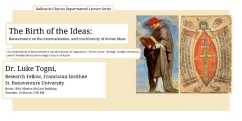
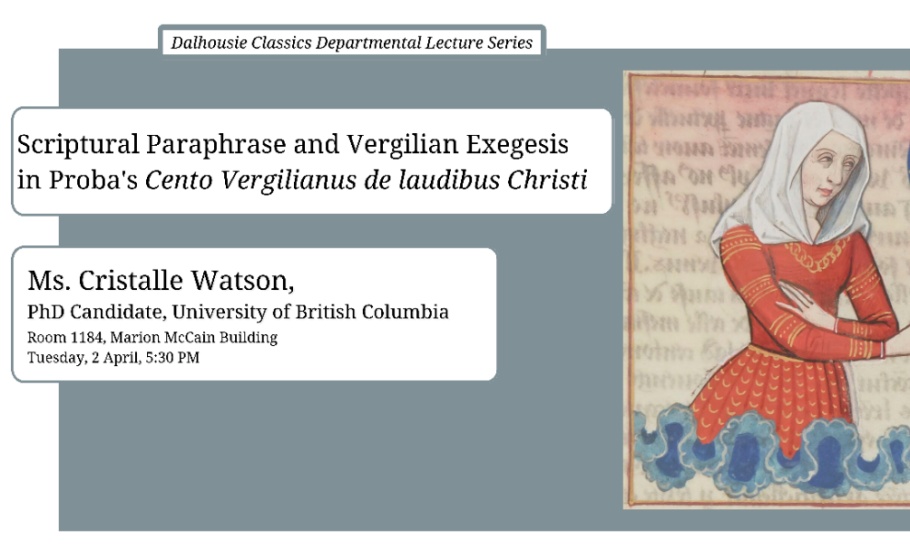
Departmental Lectures 2023-2024
Click here for the 2023/2024 departmental lecture schedule— and keep an eye out, as new speakers will be added regularly!
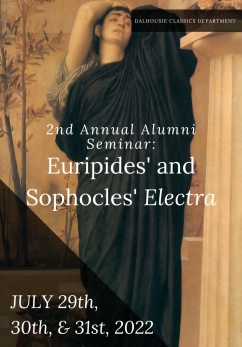
Dalhousie Classics Alumni Summer Seminar 2022
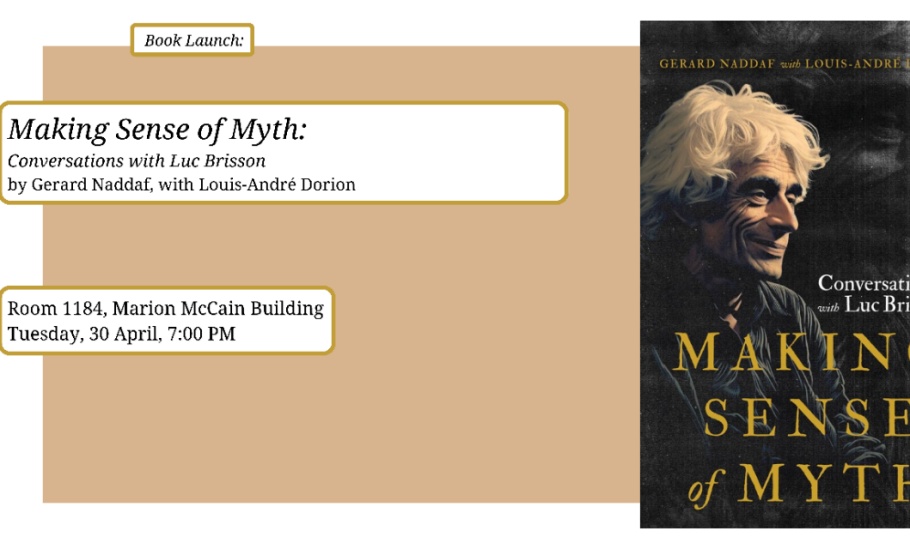
About the Department of Classics
The Department of Classics offers a variety of classes in Greek and Roman literature, ancient and Medieval philosophy, ancient and Christian religion, and general classical culture. The Department also administers the Religious Studies and Arabic Studies programs.
Check out Dr. Eli Diamond's interview about studying in our Department: https://www.dal.ca/faculty/arts/current-students/first-year-experience/video-interviews---introducing-fass-departments-and-programs.html

Get academic advising
Be confident throughout your academic career. Meet with Dr. Jack Mitchell, the departmental Undergraduate and Honours Advisor, and choose the classes that are right for you.
Teaching Assistant/Marker Positions
*Please visit the following site for application details: https://cupe3912.ca/jobs/teaching-assistant-marker/positions/

Interested in registering for a class? Get the latest information about our courses for the 2024/25 academic year, including class schedules, and learn more from our course descriptions. There are some exciting new options! Don't forget to check out classes in Religious Studies and Arabic Studies, too.
Minors
We now offer 8 minor degrees. Learn how to add one of these minors to your degree:
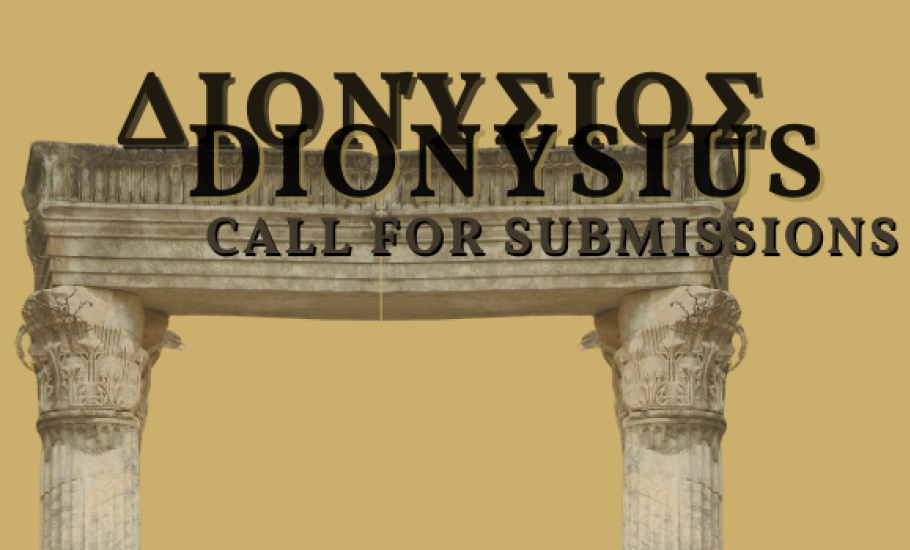
Dionysius and Pseudo-Dionysius
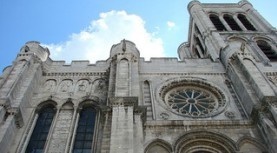
The Basilica Cathedral dedicated to St Denis, Paris, France. Photo by Allie Caulfield.
Our department is home to two journals: Dionysius, which boasts a strong international profile, and Pseudo-Dionysius, run by undergraduate and graduate students at Dalhousie and the University of King's College.